Disclaimer: This post contains affiliate links. As an Amazon Associate and member of other affiliate programs (including Temu), I earn from qualifying purchases. If you click a link and make a purchase, I may receive a small commission at no extra cost to you. I only recommend gear I genuinely trust.
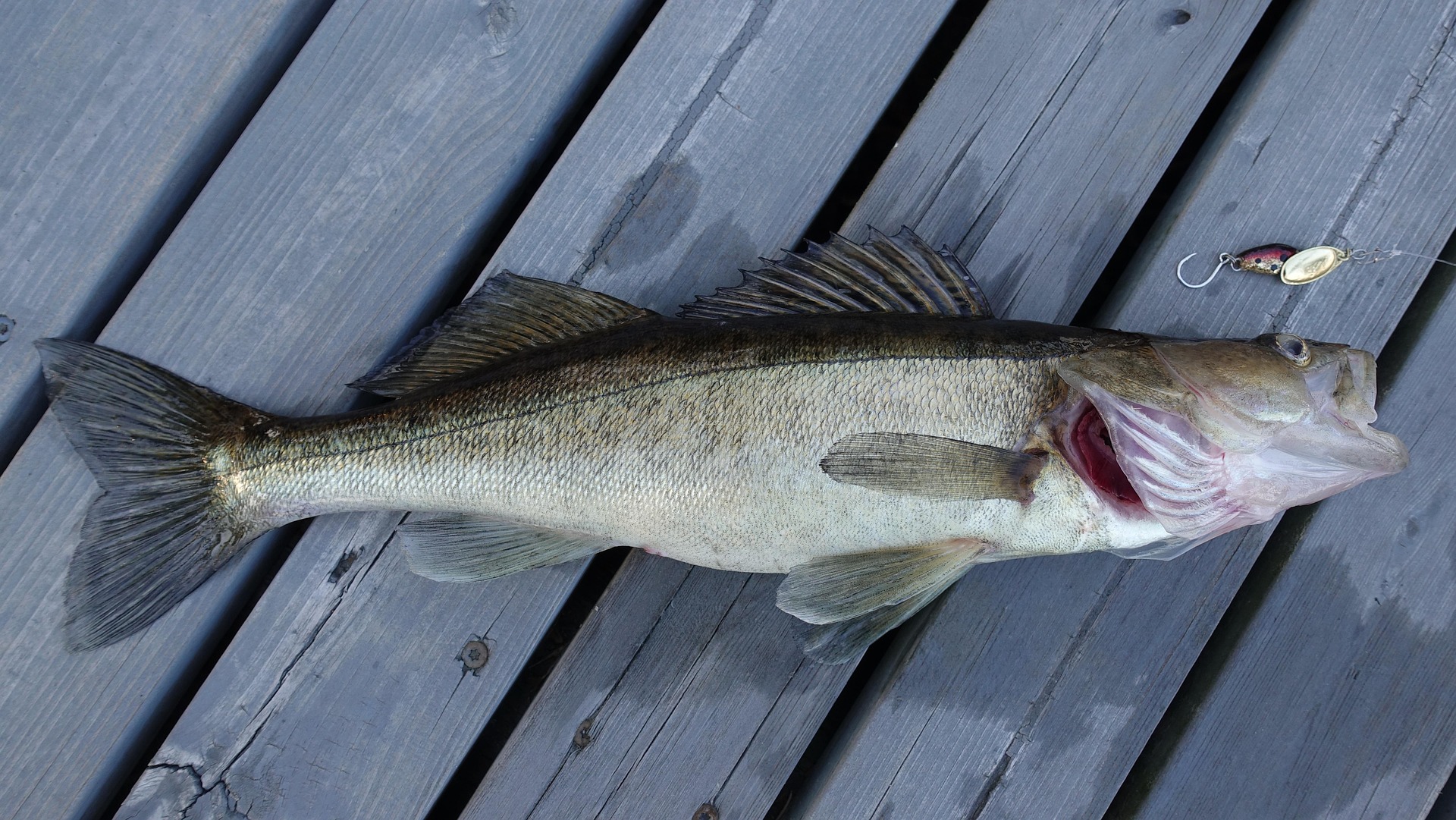
Ask any angler in southeastern Ontario how they target walleye, and 90% of them will give you the exact same answer: “Tie on a round lead jig head, tip it with a minnow or worm, and bounce it off the bottom.”
While traditional jigging catches thousands of fish in May, it runs into a massive wall by mid-summer. Heavy weekend boat traffic, bright sun, and non-stop fishing pressure turn Kawartha walleye incredibly skittish. They slip deep into the weed lines, stare at heavy jigs bouncing past, and refuse to bite.
To catch these pressured summer fish, you need to switch to an overlooked finesse bass presentation that walleye simply cannot resist: The Drop Shot.
⚠️ Regional Regulations Check (FMZ 17)
Before targeting walleye, ensure you are on the right body of water. Under FMZ 17 rules, the walleye season runs from the second Saturday in May to November 15 with a strict slot limit (must be between 35-50 cm to keep). However, Lake Scugog and the Scugog River are closed to walleye fishing all year. For this drop shot tactic, focus your efforts on prime walleye producers like Sturgeon, Pigeon, Buckhorn, or Rice Lake.
Why the Drop Shot Destroys Preserved Walleye
Traditional jigs have a major flaw in the summer: when your weight falls into the dense mud or heavy weeds, your bait disappears with it.
A drop shot rig completely solves this issue. Because your hook is tied directly to the line anywhere from 12 to 24 inches above your weight, your sinker can sit buried in the bottom muck or weeds while your soft plastic bait hovers perfectly clean, directly in the walleye’s line of sight.
[Clear Fluorocarbon Leader]
            |
            |---> [Finesse Worm / Minnow Soft Plastic (Hovering Clean)]
            |
            |  (12-24 inch gap)
            |
[Drop Shot Sinker (Sitting in bottom mud/weeds)]
The Key Advantages:
- Natural Suspension: It keeps the bait directly in the strike zone indefinitely without drifting out of position.
- Ultra-Subtle Action: Walleye don’t want erratic jumping actions in August. The minor, natural water currents keep the soft plastic moving perfectly.
- Zero-Weight Feel: When a walleye inhales the hovering bait, they don’t feel the weight of a heavy lead jig head, leading to deep, secure hooksets.
How to Rig and Fish It for Walleye
1. The Terminal Tackle
You don’t need premium tackle shop setups. You can grab highly affordable packs of drop-shot hooks and cylinder weights online. Use a size 1 or 2 drop-shot hook tied with a Palomar knot, leaving a long line tag to attach a 1/4-ounce slender cylinder weight. Slender weights slip through weeds smoothly without snagging.
2. The Best Summer Baits
Ditch the live bait for this technique. Use small 3-inch to 4-inch soft plastic minnow imitations, flukes, or straight-tail finesse worms. Natural baitfish patterns, brownish crayfish colors, or high-vis chartreuse work best depending on water clarity.
3. The Presentation Technique
Cast your rig out along deep cabbage weed lines or over deep rocky points (typically in 12 to 18 feet of water). Let the weight sink to the bottom. Tighten your line until you feel the weight, but do not move it. Gently lift your rod tip up and down to make the bait hover and dance, keeping the sinker anchored on the floor. When you feel a dull heaviness on your line, don’t execute a massive bass-style hookset—simply sweep your rod upward smoothly and start reeling!