Disclaimer: This post contains affiliate links. As an Amazon Associate and member of other affiliate programs (including Temu), I earn from qualifying purchases. If you click a link and make a purchase, I may receive a small commission at no extra cost to you. I only recommend gear I genuinely trust.
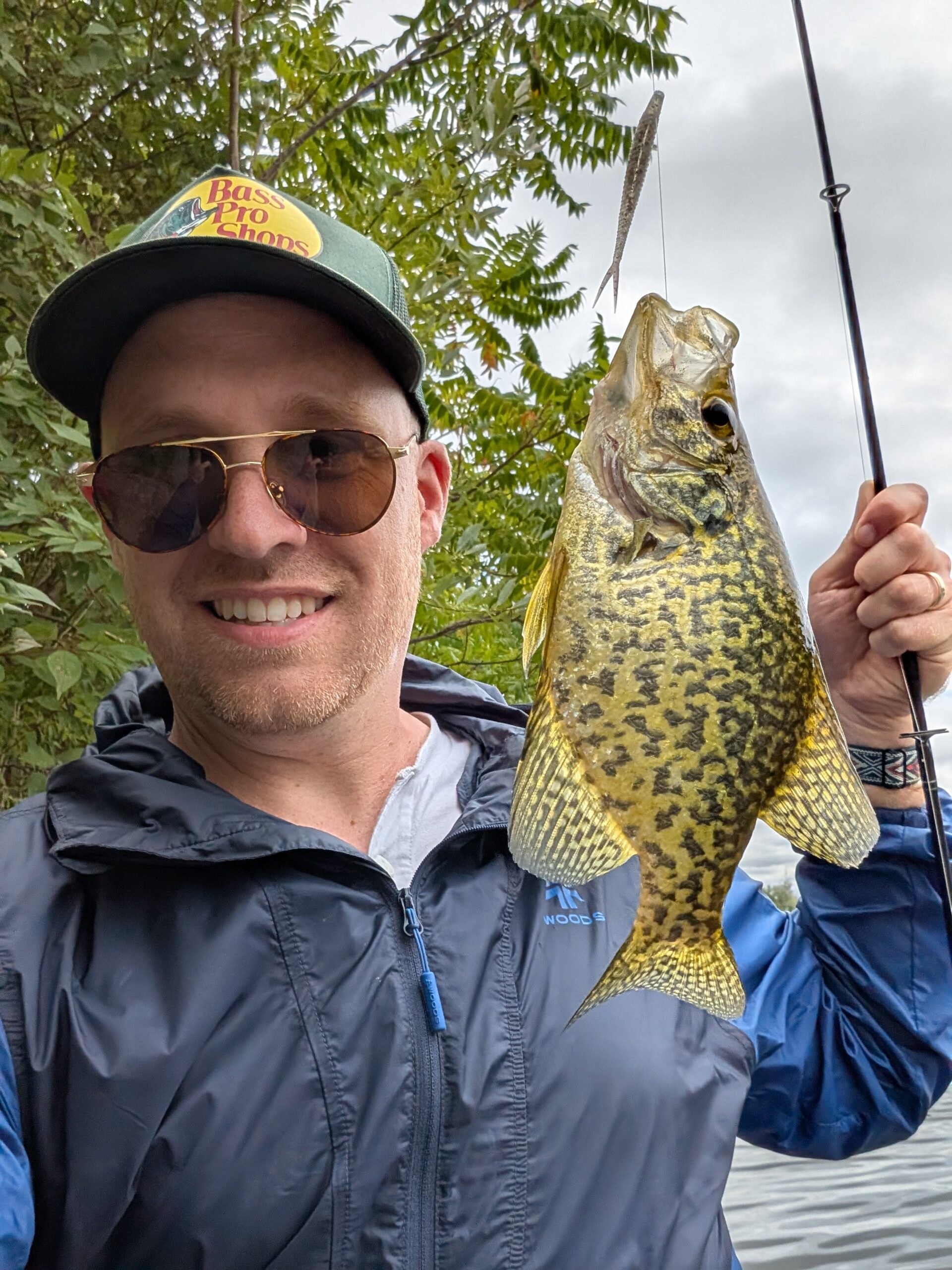
In May, tracking down black crappie on Pigeon Lake is easy. They crowd into the warm, shallow bays, flooded brush lines, and docks near Bobcaygeon, making them easy targets for anyone with a simple bobber and a minnow.
But once July and August roll around and water temperatures pass 75°F, those shallow hotspots empty out completely. Many anglers give up, assuming the crappie have stopped biting.
The truth? The crappie are still hungry—they’ve just changed zip codes. To catch summer slabs on Pigeon Lake, you need to abandon the shorelines and look deep.
Tracking the Mid-Summer Crappie Migration
Crappie are schooling fish, meaning if you find one, you’ve likely found fifty. In the summer heat, these schools move out to deep water structures where they can find cooler oxygen levels and plenty of open-water baitfish. On Pigeon Lake, look for three primary zones:
- Deep Weed Edge Transitions: Look for areas where thick cabbage lines drop off sharply from 8 feet down into 14 to 16 feet of water. Crappie will suspend right along the deep edge of the weeds, waiting to ambush baitfish.
- Isolated Main-Lake Mud Flats: Large schools of crappie roam the wide, open basins of Pigeon Lake, suspending halfway down the water column over deep mud flats where small insects hatch.
- Deep Underwater Cribs and Rock Piles: Any hard structure sitting in 15+ feet of water provides excellent shade and safety from large predators like muskie and walleye.
[Deep Cabbage Weed Wall (8ft)]
             \
              \ ---> [Suspended School of Crappie (Sitting at 10-12ft)]
               \
[Main Lake Basin Mud Floor (16ft)]
The Vertical Finesse Approach: Ditch the Bobber
In the spring, a slip bobber is king. In the summer, it’s too slow and inefficient for hunting deep schools. Instead, use a Vertical Jigging approach with light 4-pound test line.
The Setup:
- The Bait: Use a 1/16-ounce or 1/32-ounce lead jig head tipped with a small 2-inch plastic paddle tail or split-tail tube jig. White, chartreuse, and electric-chicken are excellent summer colors on Pigeon Lake.
- The Technique: Drive your boat or kayak along the deep weed walls or basin flats. Drop your jig straight down beneath you until it hits the bottom, then reel it up two or three feet so it hangs right above the fish.
- The Retrieve: Do not shake it aggressively. Crappie hate rapid, unnatural movements in warm water. Hold your rod completely still, letting the tail subtly quiver. If you don’t get a bite in five minutes, move 30 feet down the line.
Pigeon Lake Target Zones to Map Out
If you are launching out of the public accesses or marinas around Bobcaygeon or the southern shores, target the deep weed transitions around Gannon’s Narrow or look for the drop-offs spreading out from main lake points. Keep your eye on your depth finder—crappie look like stacked “Christmas tree” lines suspending midway between the surface and the bottom. When you locate a school, anchor up or use your electric motor to stay vertical and prepare for non-stop action!