Disclaimer: This post contains affiliate links. As an Amazon Associate and member of other affiliate programs (including Temu), I earn from qualifying purchases. If you click a link and make a purchase, I may receive a small commission at no extra cost to you. I only recommend gear I genuinely trust.
There is a distinct moment in early July when a lot of Kawartha anglers simply give up on walleyes. The shallow, emergent weed flats northwest of Bewdley on Rice Lake or the warm bays of Chemong that were teeming with fish in mid-May now look like boat traffic central. Jet skis are churning up the surface, the mid-day sun is blistering, and if you cast a traditional jig into your old spring hotspots, all you drag up is a big ball of slimy green algae.
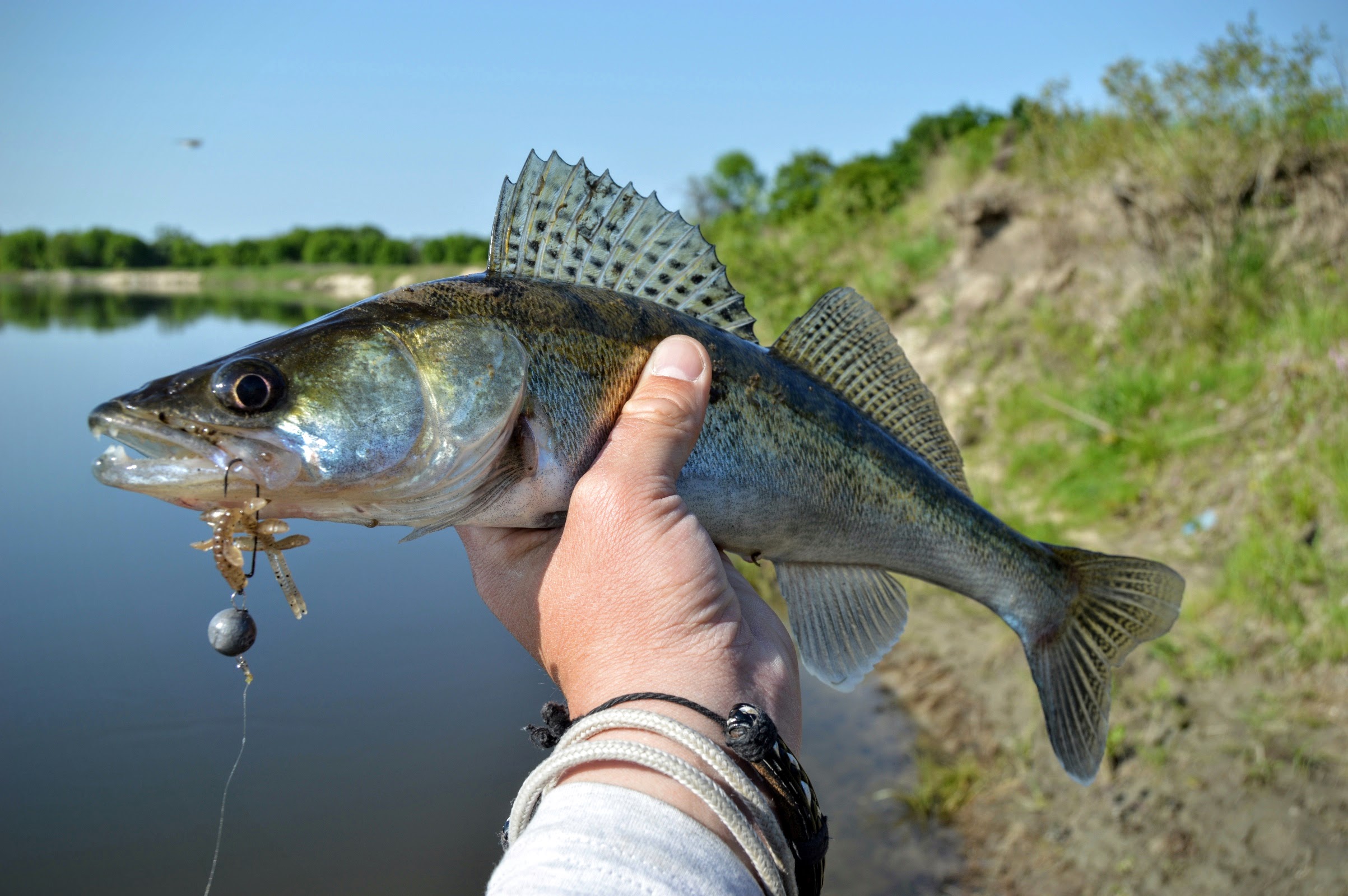
But here is the secret that separates the weekend warriors from the guys who consistently put meat in the cooler: the walleyes didn’t vanish. They just moved out of the shallow kitchen and into the deep basement.
When the water temperature climbs past 23c, a walleye’s light-sensitive eyes make shallow water unbearable during the day. They seek out the cool, dark security of deep-water transitions. If you want to crack the code on summer eyes on lakes like Pigeon, Stony, or Buckhorn, you have to abandon the shorelines and hunt them where they hide.
Pattern 1: The Deep Weed-Line Patrol
The most consistent summer pattern in the Kawarthas is the outside cabbage edge. Look for expansive flats where the weed line grows out thick and then suddenly hits a structural drop-off, plunging from 8 feet down into 13 to 17 feet of water. Walleyes will bury themselves deep inside the cool shade of that cabbage during the bright mid-day sun and slip out onto the sandy mud flats right at the base of the weeds to hunt when a cloud covers the sun or the wind picks up.
To fish this effectively, you can’t beat a bottom-bouncer and a worm harness. It’s a blue-collar tactic, but it catches more summer walleyes than almost anything else.
- The Rig: Run a 1-ounce to 1.5 ounce L-shaped bottom bouncer on your main line. Tie on a 3- to 4-foot leader of 12lb fluorocarbon to keep your bait away from the heavy wire. Use a dual-hook harness with a copper, gold, or “frenzied perch” colored blade.
- The Bait: Thread a massive, lively nightcrawler onto the hooks, leaving about an inch of the tail trailing off the back hook to squirm.
- The Execution: Drop the rig to the bottom and engage your kicker motor. You want to troll at a dead crawl—between 1.2 and 1.4mph. Hold the rod in your hand; don’t put it in a holder. Keep the wire weight ticking the bottom occasionally. When a July walleye hits a worm harness, it rarely slams it. You’ll just feel the rod get heavy, like you picked up a wet sock. Drop your rod tip back for two seconds to let him engulf the crawler, and then sweep back with a long, firm hookset.
Pattern 2: Heavy Metal Reaction Jigging
If you find isolated rock piles or sunken humps out in the middle of Pigeon or Stony Lake that sit adjacent to deep water, trolling is tough. You’ll hang up constantly. Instead, you want to pinpoint those transitions using your electronics and target them vertically with heavy metal jigs or paddle tails.
When walleyes are sitting on deep structure in July, they are often incredibly lethargic. They aren’t actively cruising for food. You have to force them to bite out of pure instinct.
Drop a 1/4 ounce or 3/8 ounce metallic jig head tipped with a 3-inch minnow-style paddle tail (in natural shiner or high-visibility chartreuse) straight down to the bottom. Instead of a gentle lift-and-drop, use a snapping motion. Snap the rod tip up aggressively two to three feet, then let the jig fall back down on a slack line. The sudden, erratic thud on the mud and the quick darting motion mimics a dying baitfish escaping. The walleye will smash it on the drop out of pure reflex.
⚠️ The FMZ 17 Slot Size Reality Check
Let’s talk honestly about keeping fish for the pan. Rice Lake and the surrounding Kawartha waters built their legendary reputations on walleye, but the modern reality takes real work. You are going to hook a frustrating number of fish that fall outside the legal keeper slot.
Under FMZ 17 regulations, your daily catch and possession limit is 4 (if you hold a Sport Licence) or 1 (for a Conservation Licence). However, every single walleye you keep must measure cleanly between 35 and 50 cm. Those big, gorgeous 24-inchers that look amazing in a photo are your prime spawning females. Treat them with respect, unhook them quickly in the water, and slide them back to keep this fishery alive for the next generation.