Disclaimer: This post contains affiliate links. As an Amazon Associate and member of other affiliate programs (including Temu), I earn from qualifying purchases. If you click a link and make a purchase, I may receive a small commission at no extra cost to you. I only recommend gear I genuinely trust.
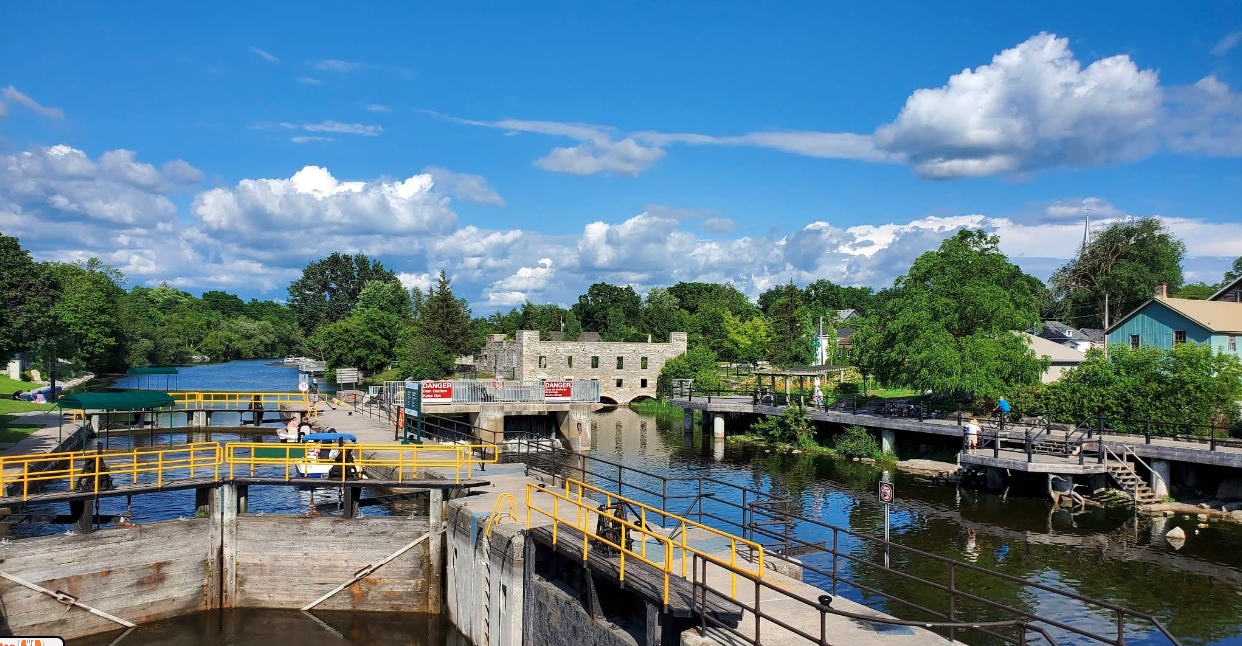
There is a raw, intoxicating energy to fishing moving water. If you’ve ever stood down-current from the locks in Lindsay, or watched the roaring white water spilling past the concrete gates at Fenelon Falls or Bobcaygeon, you can practically feel the fish around you. These dams are the beating heart of the Trent-Severn Waterway. They act as natural biological roadblocks for millions of baitfish, and the rushing water injects life-saving oxygen into the entire lake system during the stagnant heat of July.
Because of that, every predator in the system—walleyes, smallmouth bass, muskies, and massive channel catfish—will stack up in the tailraces of these dams to feed.
But let’s be entirely transparent here: dam fishing in the Kawarthas can be a legal minefield and a physical hazard if you don’t know what you’re doing. Conservation Officers patroller these zones heavily in mid-summer, and the water currents can change from a gentle flow to a deadly surge in a matter of seconds when the lockmasters adjust the logs.
To catch fish here safely and legally, you need a solid understanding of hydrology and a deep respect for provincial regulations.
🛑 The Dam Safety & Legal Zone
⚠️ DANGER ZONE: Concrete Dam Structure & White Water
~~~~~~~~~~~~~~~~~~~~~~~~~~~~~~~~~~~~~~~~~~~~~~~~~~~~~~~~~~~~~~~
🚫 THE 23-METRE (75 FT) SANCTUARY LINE - NO FISHING BEYOND THIS POINT
===================================================================
                      │  ▲  ▲  ▲
                      │  │  │  │  [MAIN CURRENT CHANNEL]
                      │  │  │  │  (Fast, Rushing Water)
                      │  │  │  │
                      │
  ⚡ THE EDDY SEAM ⚡  │  <-- CAST HERE! (Where the current splits)
                      │
   [THE CALM EDDY]    │
  (Slow, Swirling     │
   Slack Water)       │
                      │
🌊 How to Read the River Layout
The Sanctuary Line: Treat the 23-metre boundary like a brick wall. If your lure passes it, you are risking a heavy fine from a Conservation Officer. Set up your boat or shoreline position well downstream of this line.

The Main Current: This is the fast-moving "conveyor belt." Food gets swept down here rapidly. While fish love the food, they hate burning energy swimming against it.

The Calm Eddy: This is the staging area. Predators will stack up by the dozens inside this slower, swirling water right against the canal walls or rocky banks.

The Eddy Seam: This is your exact target zone. Cast your jig up into the fast water and let the current sweep it down until it crosses the invisible line into the calm eddy. Walleyes and smallmouths sit perfectly on that seam, waiting to smash anything that crosses over.
The 23-Metre Sanctuary Law
Before you even rig a line, you must understand the boundary marker. Under Ontario’s Fisheries Management Zone 17 regulations, it is strictly illegal to fish within 23 metres (75 feet) of any dam or water control structure.
This law exists for two critical reasons: it keeps anglers out of the lethal undertow zones directly beneath the spilling water, and it prevents people from snagging vulnerable, heavily crowded fish that are trapped against the concrete walls trying to migrate upstream. Measure the distance visually, look for the posted signs or painted lines on the canal walls, and always stay well downstream of that 75-foot line.
Hunting the Seams and Eddies
Once you’ve established your legal position downstream, stop looking at the white water and start looking for the eddy lines. An eddy is a pocket of calm, swirling water that forms right next to a fast-moving main current channel—usually created by a rocky point, a bridge pillar, or a bend in the canal wall.
Predatory fish are remarkably efficient engines; they hate burning calories fighting a heavy 5-knot current just to stay stable. Instead, walleyes and smallmouths will sit perfectly still in the dead, calm water of the eddy, facing upstream. They watch the fast-moving water bubble past like a conveyor belt at a buffet, waiting for a disoriented shiner or crawfish to get swept out of the current and right into their zone.
The River Presentation
The best tool for this job is a classic round jig head paired with a high-action soft plastic.
- Cast your jig up into the fast current above the eddy.
- Let the moving water sweep your jig naturally downstream along the bottom.
- Keep your line tight, winding up the slack as the current pushes the bait toward you.
- The exact moment your jig crosses the invisible boundary line where the fast water meets the slow water—the seam—be ready. That is where 90% of your strikes will occur. Use a heavy enough jig 1/4 oz to 3/8oz to ensure your bait stays ticking the bottom rocks without getting swept away entirely.