Disclaimer: This post contains affiliate links. As an Amazon Associate and member of other affiliate programs (including Temu), I earn from qualifying purchases. If you click a link and make a purchase, I may receive a small commission at no extra cost to you. I only recommend gear I genuinely trust.
Let’s be completely honest for a minute. If you are planning a day on the water with a seven-year-old or someone who has never held a fishing rod before, the worst thing you can do is hunt for “trophy” walleye or muskies. Spend four hours casting a massive bucktail without a bite, and your kids will be glued to their tablets, asking when you’re going home. Beginners don’t care about the size of the fish or its status as a premier game species; they care about the bobber going under.
Thankfully, the Kawartha Lakes are an absolute assembly line for the most cooperative, hard-fighting, and delicious panfish in Ontario.
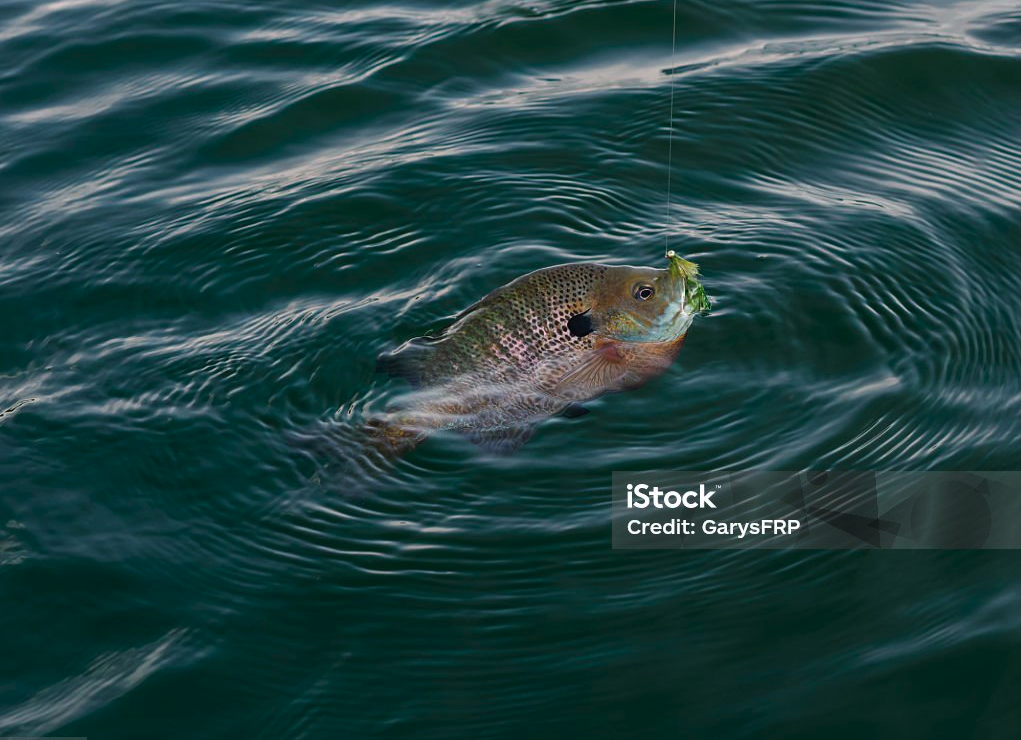
Lakes like Rice, Pigeon, and Scugog hold billions of Yellow Perch, Bluegills, and gorgeous, neon-spotted Pumpkinseed Sunfish. In July, these fish are in absolute peak feeding mode. They are stacked tightly into shallow structure, they aren’t picky, and on light tackle, a big “bull” bluegill fights like a heavyweight fighter. It is the ultimate way to build lifelong fishing memories with your family.
                  [THE PERFECT FAMILY SLIP-BOBBER RIG]

                 O  <-- High-Vis Foam Bobber
                 |
                 |  <-- 4-lb Clean Monofilament Line
                 |
                 O  <-- Small Split-Shot Weight (Keeps bait down)
                 |
                 |
                 J  <-- #8 Long-Shank Bait Holder Hook
                 ~  <-- 1-inch piece of fresh Nightcrawler
Locating the Non-Stop Action
You don’t even need an expensive fiberglass bass boat to get into incredible panfish action. Some of the best summer hotspots are easily accessible from dry land.
- Public Lock Walls and Docks: The public lock systems across the Trent-Severn—like the locks in Bobcaygeon, Lindsay, or Young’s Point—are natural panfish sanctuaries. The concrete walls collect algae, which attracts small insects and baitfish, which in turn brings in massive schools of sunfish.
- The Inside Weed Edge: If you are in a boat, park it just outside a shallow patch of lily pads or dock pilings in 3 to 6 feet of water. Look for the pockets of clear water inside the vegetation; you will often visually see dozens of sunfish hovering right below the surface.
Keep the Tactics Simple
Do not overcomplicate this. The ultimate family setup is a light spinning rod spooled with clean, 4-pound test monofilament line, a sensitive foam bobber, a small split-shot weight, and a long-shank #8 bait holder hook.
Slide a 1-inch fragment of a fresh live nightcrawler onto the hook, leaving a tiny bit dangling. Set the bobber depth so the worm hangs roughly two feet below the surface, or just above the tops of the visible green weeds. Cast it out, and watch that bobber. When it starts dancing, twitching, and finally plunges out of sight with a loud splash, tell your junior angler to reel fast. The smiles and excitement that follow are exactly why we hit the water in the first place.