Disclaimer: This post contains affiliate links. As an Amazon Associate and member of other affiliate programs (including Temu), I earn from qualifying purchases. If you click a link and make a purchase, I may receive a small commission at no extra cost to you. I only recommend gear I genuinely trust. Image from vecteezy
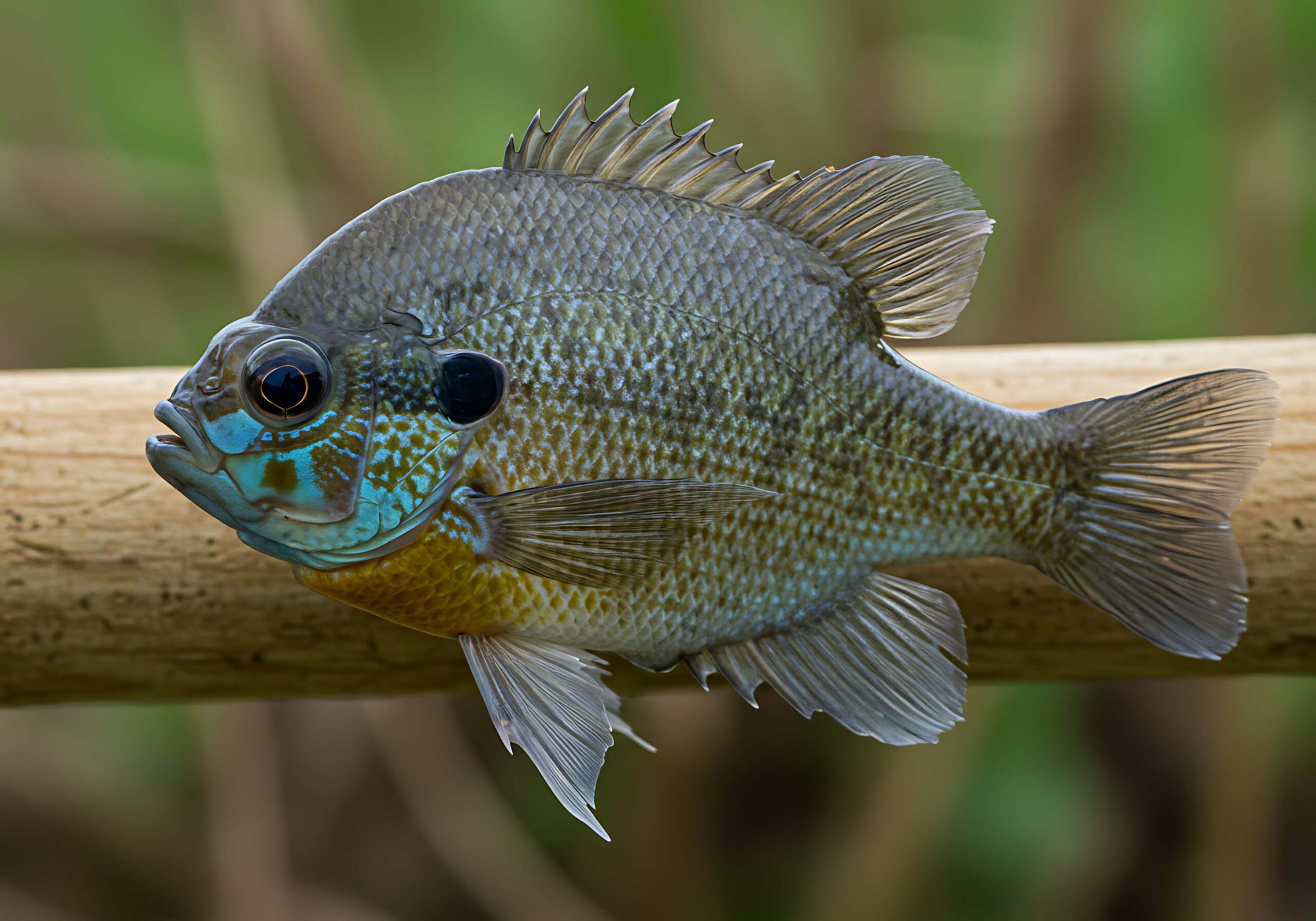
When the late-spring sun finally warms the shallows of our local lakes and rivers, an incredible underwater shift takes place. Long before the third Saturday in June rolls around to officially kick off bass season, another aggressive, hard-fighting species invades the flats: the Bluegill (Sunfish).
If you are itching to get a line in the water during the May and early-June lull, targeting monster “bull” bluegills offers non-stop action on ultra-light gear. However, because bluegills spawn in the exact same shallow, warm-water bays that Largemouth Bass use for their nesting sanctuaries, you have to adjust your tactics to ensure you don’t accidentally target out-of-season game fish.
⚠️ Expert Disclaimer & Legal Warning
The Legality of Intent: In Ontario (specifically across high-pressure regions like Fisheries Management Zone 17), it is a serious provincial offense to target a fish species out of season.
Because spawning bass are intensely protective of their nests, they will aggressively strike almost anything that enters their territory. If a Conservation Officer observes you repeatedly casting into shallow bass beds—even if you are using a small lure—you can be fined for targeting out-of-season game fish. If you accidentally hook a bass, you must release it immediately in the water. Do not lift it into the boat for a photo, do not measure it, and do not delay its release. If bass continuously bother your setup, you are legally obligated to pack up and move locations.
1. Locating Spring Bluegills (Without Disturbing Bass)
During the pre-spawn and spawn periods, bluegills move into shallow water columns (2 to 6 feet deep). To target them effectively while keeping your distance from critical bass nesting sites, look for these specific structural elements:
- Canals and Backwater Marinas: Man-made canals, boat slips, and shallow, dark-bottomed bays warm up first in the spring. Bluegills pack into these areas by the hundreds to feed on emerging insects.
- The Inside Weed Edge: Look for the shallow, shoreward edge of new lily pad fields or emerging milfoil. Bluegills will hold tight to this vegetation for safety, whereas nesting male bass prefer more open, gravel-bottom or sand-bottom pockets completely cleared of weeds.
- Submerged Brush and Docks: Isolated wood, standing timber, and shallow dock pilings are bluegill magnets. Focus your casts tightly against the structure; bluegills are highly friction-oriented and rarely wander far into open water during this time of year.
2. Downsizing to “Micro” Presentations
The absolute best way to maximize your bluegill catch—and visually demonstrate to any passing wildlife officer that you are strictly panfishing—is to downsize your tackle to microscopic proportions. A bluegill has a tiny mouth compared to a bass; if your lure is small enough, large bass will often ignore it entirely.
The Spring Bluegill Tackle Guide
| Presentation | Rigging Specifics | Ideal Depth | Tactical Execution |
| The Micro-Ice Jig | 1/64 oz tungsten ice fishing jig tipped with a single live waxworm or maggot. | 2–4 Feet | Suspend it under a small, sensitive pencil float. Give it slight, rhythmic twitches to dance the jig in place. |
| The Feathered Tube | 1-inch micro-tube or marabou jig (white, pink, or chartreuse). | 3–6 Feet | Cast and slowly retrieve with a constant, subtle swimming motion along the edges of boat docks. |
| The Unweighted Worm | A #8 or #10 baitholder hook with a 1-inch fragment of a live nightcrawler. | 1–3 Feet | Cast with no added split-shot weight near shallow brush. Let the bait slowly, naturally drift downward through the water column. |
3. High-Velocity Adaptations: Handling the Bite
When bluegills are active in the spring, the bite is fast and aggressive. Managing your gear properly ensures high hook-up ratios and safe releases.
1.Scale Down to Ultra-Light Tackle:Gear Setup.
Spool a light, fast-action spinning rod with 4-lb test monofilament or fluorocarbon line. Heavy bass gear will completely deaden the feel of a panfish bite and tear the soft mouths of bluegills.
2.Execute a Rapid, Soft Hookset:The Hookset.
Bluegills swallow small baits incredibly fast. Watch your float intently; the moment it dips or moves sideways, set the hook with a quick flick of the wrist rather than a violent, overhead bass sweep. This prevents gut-hooking the fish.
3.Use Long-Nose Pliers or a Disgorger:Safe Release.
Because of their small mouths, removing a hook can be delicate work. Keep a pair of micro needle-nose pliers or a plastic hook disgorger handy to quickly back the small barb out without causing tissue damage.
4. Harvest Ethics: Protecting the “Bulls”
Bluegills are remarkably prolific breeders, making them a fantastic and sustainable choice for a fresh fish fry. However, their social structure during the spawn is highly sensitive.
💡 The “Alpha Male” Dynamic
The largest bluegills in a system are the mature, dark-colored “Bull” males that guard the spawning nests. If anglers harvest all the large bull males from a bay, the smaller, immature males stop growing and rush to spawn early, permanently stunting the average size of the lake’s population.
To keep the fishery healthy, keep the mid-sized 7-to-8-inch fish for the dinner table, and release the true 9-plus-inch giant bulls back to their nests.