Disclaimer: This post contains affiliate links. As an Amazon Associate and member of other affiliate programs (including Temu), I earn from qualifying purchases. If you click a link and make a purchase, I may receive a small commission at no extra cost to you. I only recommend gear I genuinely trust.
When most anglers head out onto Sturgeon Lake, they have two things on their mind: walleye or heavy largemouth buried in the weeds. Because of that, the incredible smallmouth bass fishery here gets ignored by a massive chunk of weekend boat traffic.
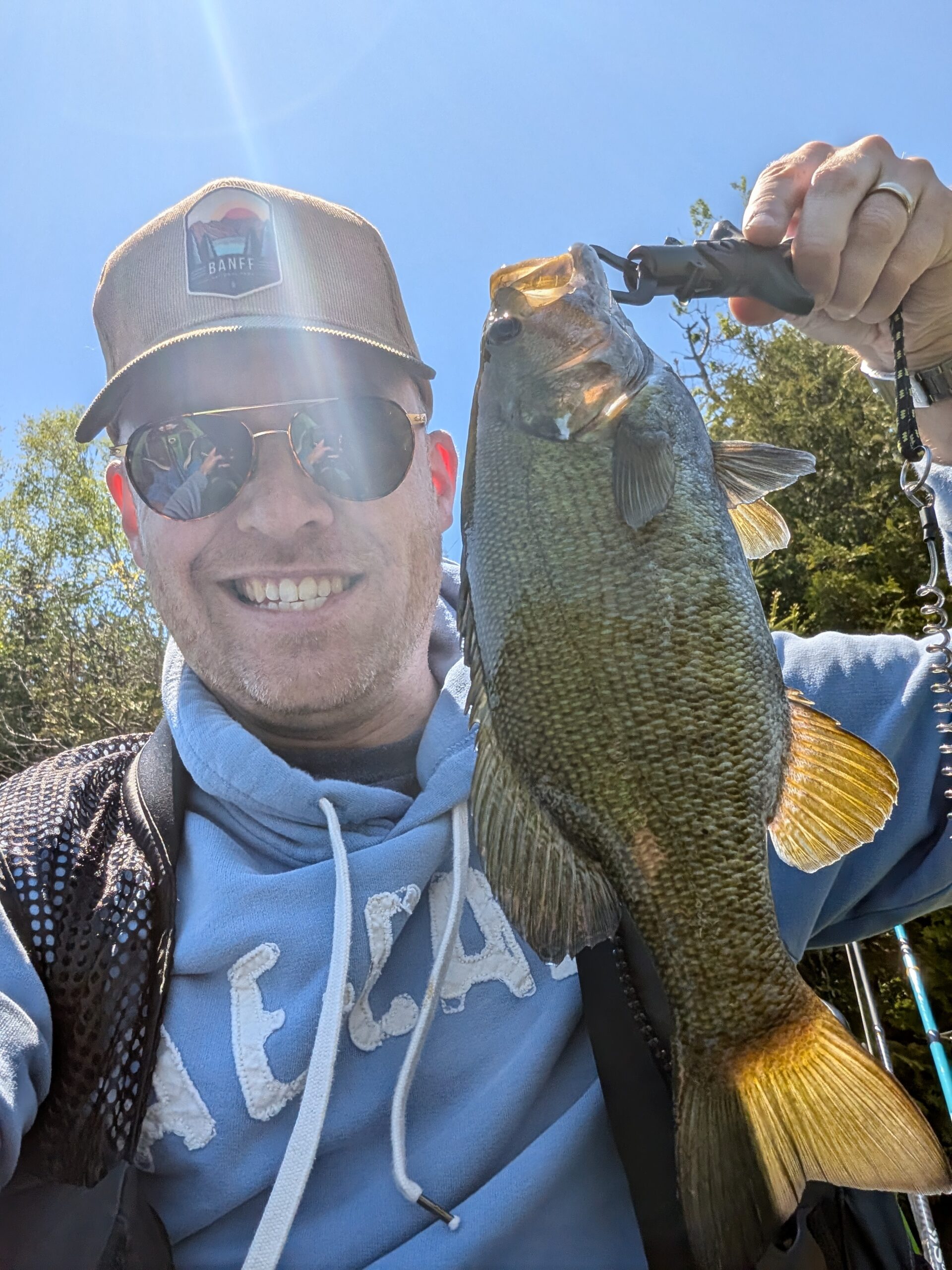
If you know how to target them, Sturgeon holds genuine trophy bronzebacks that fight like freight trains.
The secret to catching them consistently during the summer boils down to understanding a single major seasonal transition: Shallow Flats versus Deep Rock. Let’s break down exactly where these fish live and how to rig up to catch them.
Early Summer Strategy: The Shallow Sand & Flat Rock Flats
In June and early July, a huge population of Sturgeon Lake smallmouth can still be found roaming surprisingly shallow water. They love expansive flats that feature a mix of sand, scattered gravel, and fields of flat limestone rock.
The eastern shorelines of the lake and the massive flats spreading out away from the mouth of the river near Fenelon Falls are classic early-season zones. Smallmouth cruise these shallow flats in groups, aggressively hunting crayfish and baitfish.
The Presentation: Covering Water Fast
Because these fish are scattered across huge, flat areas, sitting still will kill your catch rate. You need search baits that let you cover water fast to find the active schools.
- Inline Spinners: A classic silver or gold blade thrown a mile and reeled back at a steady clip.
- Erratic Jerkbaits: Hard-plastic jerkbaits worked with a aggressive “twitch-twitch-pause” cadence over the rock patches often trigger brutal reaction strikes.
Mid-Summer Transition: Hunting Deep Mid-Lake Reefs
By late July and August, the surface water temperatures on Sturgeon climb into the mid-70s and 80s. The big smallmouth hate this warm water and make a hard migration out to the main lake basin.
If you keep fishing the shallow shorelines now, you’ll only catch tiny juveniles. The big boys are sitting in 15 to 25 feet of water, glued to structural humps, dropped shelves, and isolated deep rock piles. Look for main-lake points that drop off sharply into deep water, or use your electronics to hunt for underwater rock reefs rising out of the mud flats.
The Presentation: Finesse on the Bottom
When bass are deep and lethargic from the summer heat, fast search baits stop working. It’s time to slow down completely.
- The Drop Shot Rig: This is the undisputed king of deep-water summer smallmouth. Nose-hook a small 3-inch plastic minnow or soft goby imitation on a drop-shot hook, with a 1/4-ounce weight hanging about 18 inches below it. Drop it straight down over deep structure, keep your line taut, and let the gentle motion of the water do the work.
Summary Checklist for Sturgeon Smallies
To maximize your next weekend trip on Sturgeon Lake, keep these three rules in mind:
- Follow the Wind: If a strong wind has been blowing against a shallow flat or deep reef for two days, fish there. The wave action pushes baitfish into the structure and turns the smallmouth into a feeding frenzy.
- Look for Transitions: Smallmouth love edges. Look for areas where a sand flat transitions into solid rock, or where thick cabbage weed gives way to clean gravel.
- Downsize Your Line: Sturgeon Lake water can get incredibly clear in the summer. If you use heavy monofilament line, the bass will see it and reject your bait. Always use a clear 6-to-8-pound fluorocarbon leader to keep your presentation completely invisible.