Disclaimer: This post contains affiliate links. As an Amazon Associate and member of other affiliate programs (including Temu), I earn from qualifying purchases. If you click a link and make a purchase, I may receive a small commission at no extra cost to you. I only recommend gear I genuinely trust.
While trophy hunters spend their summer days chasing elusive muskie or walleye on the Scugog River, local shore anglers and families know that the river holds an absolute goldmine of fast-paced, hard-hitting action: Rock Bass.
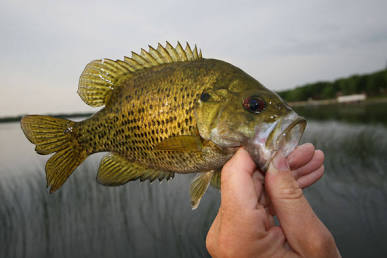
Often overlooked, the humble rock bass (or “rocky”) is one of the most aggressive panfish swimming in Ontario waters. They love structure, they travel in tight packs, and they possess an appetite that completely outclasses their size.
If you want a high-yield afternoon of fishing from a kayak or a clean shoreline spot along the Scugog River system, targeting these red-eyed scrappers is a bulletproof plan. Here is exactly how and where to unlock the bite.
The Scugog River Ecosystem: Perfect Rock Bass Habitat
The Scugog River, twisting north out of Lake Scugog toward Lindsay and Sturgeon Lake, is a nutrient-rich, relatively shallow waterway. It features a slower current, extensive weed flats, and plenty of man-made and natural hard structures.
This mix is absolute paradise for rock bass. Unlike bluegills, which prefer wide-open, soft weed beds, rock bass are heavily drawn to solid cover and shadow lines. They use their mottled brown camouflage to blend perfectly into dark crevices, waiting to ambush passing minnows, crayfish, and bugs.
Because the river has phenomenal water clarity in many stretches, you can often sight-fish for them. Find a spot where a hard surface meets a deep shadow, and you can guarantee a school of rock bass is tucked neatly inside.
High-Percentage Hotspots Along the River
You can find rock bass throughout the entire river system, but if you want non-stop action, focus your efforts on these three classic structure zones:
Bridge Abutments and Concrete Retaining Walls
The concrete structures and bridge pillars crossing the river (especially around the town stretches in Lindsay) are rock bass magnets. The vertical walls provide massive shade structures and break the river’s current, allowing schools to sit comfortably out of the main flow. Cast your bait directly against the concrete wall and let it sink vertically right down the face of the structure.
The Timber and Deadfalls
Anywhere an old tree has fallen off the riverbank into 4 to 8 feet of water is a high-yield zone. Rock bass will tuck deep inside the tangled branches. The key here is precision—drop your lure right into the open pockets of the submerged timber.
Rock Pier Perimeters
Old stone docks, rip-rap shorelines (boulders placed to prevent erosion), and lock system entries provide thousands of tiny underwater caves. Rock bass will wedge themselves into these rock gaps.
The Best Presentations for River Rockies
Because rock bass have surprisingly large mouths compared to their body size, you don’t have to fish with microscopic bait. They will easily inhale standard bass-style presentations scaled down slightly.
- The 2-Inch Tube Jig: This is arguably the greatest rock bass bait ever made. Use a 1/16 oz or 1/8 oz internal tube jig head pushed inside a 2-inch mini tube (in green pumpkin or crawfish brown). Hop it slowly along the bottom around rocks and wood.
- The Inline Spinner: If you want to cover water quickly from shore or a kayak, a size #1 or #2 Mepps Aglia or Blue Fox Viber spinner is deadly. Cast it parallel to weed edges or retaining walls and bring it back with a steady retrieve.
- The Micro Jig and Bobber: Perfect for fishing heavy timber without snagging. Suspend a 1/32 oz marabou jig 3 feet under a small slip float. The river’s natural current will give the jig a subtle, life-like breathing motion that rock bass cannot resist.